Best Month to Get Married in Melbourne

Most couples spend about three weeks convinced they know exactly when they want to get married, then spend the next six months realising that timing is complicated. You had a month in mind. Then you checked venue availability. Then you thought about when your parents could travel. Then you realised your dream month is booked out and you’re looking at alternatives you didn’t know you cared about.
Here’s the thing: there isn’t actually a best month to get married in Melbourne. There’s a best month for what you prioritise. And most couples don’t know what they prioritise until they start planning.
Spring (September to November)
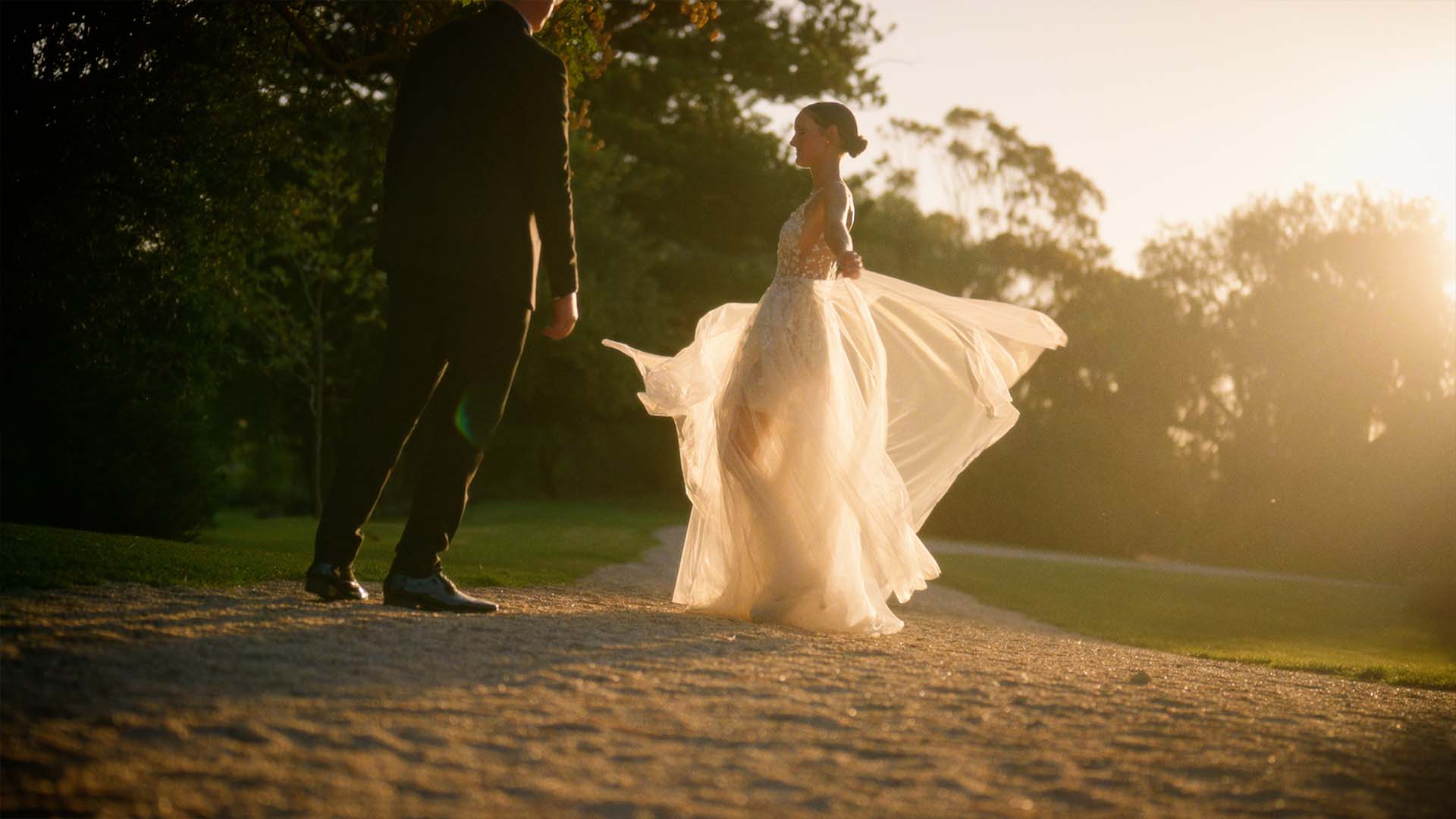
Spring is when the wedding industry tells you to get married. It’s warm-ish, flowers are out, the light looks good in photos. Every wedding magazine you’ve ever scrolled features a September wedding in a garden. There’s a reason for that. The light really is pretty good. Days are long enough that you have options. It feels optimistic. You can get a sense of what that light actually looks like on the day by watching a few films shot in spring.
But spring is also when every other couple had the same idea. Venues are booked solid by mid-year. Your first choice photographer probably isn’t available. The videographer you want had September pencilled in by someone else in January. If you didn’t book in the previous calendar year, spring is going to frustrate you.
You’re also paying for the privilege. Peak season pricing means everything costs more. Flowers cost more. Venues cost more. The whole operation is built around demand.
The weather trade-off is real too. You might get beautiful 22-degree days or you might get unexpected cold snaps that send everyone inside. Outdoor ceremonies need backup plans because Melbourne spring is genuinely unpredictable.
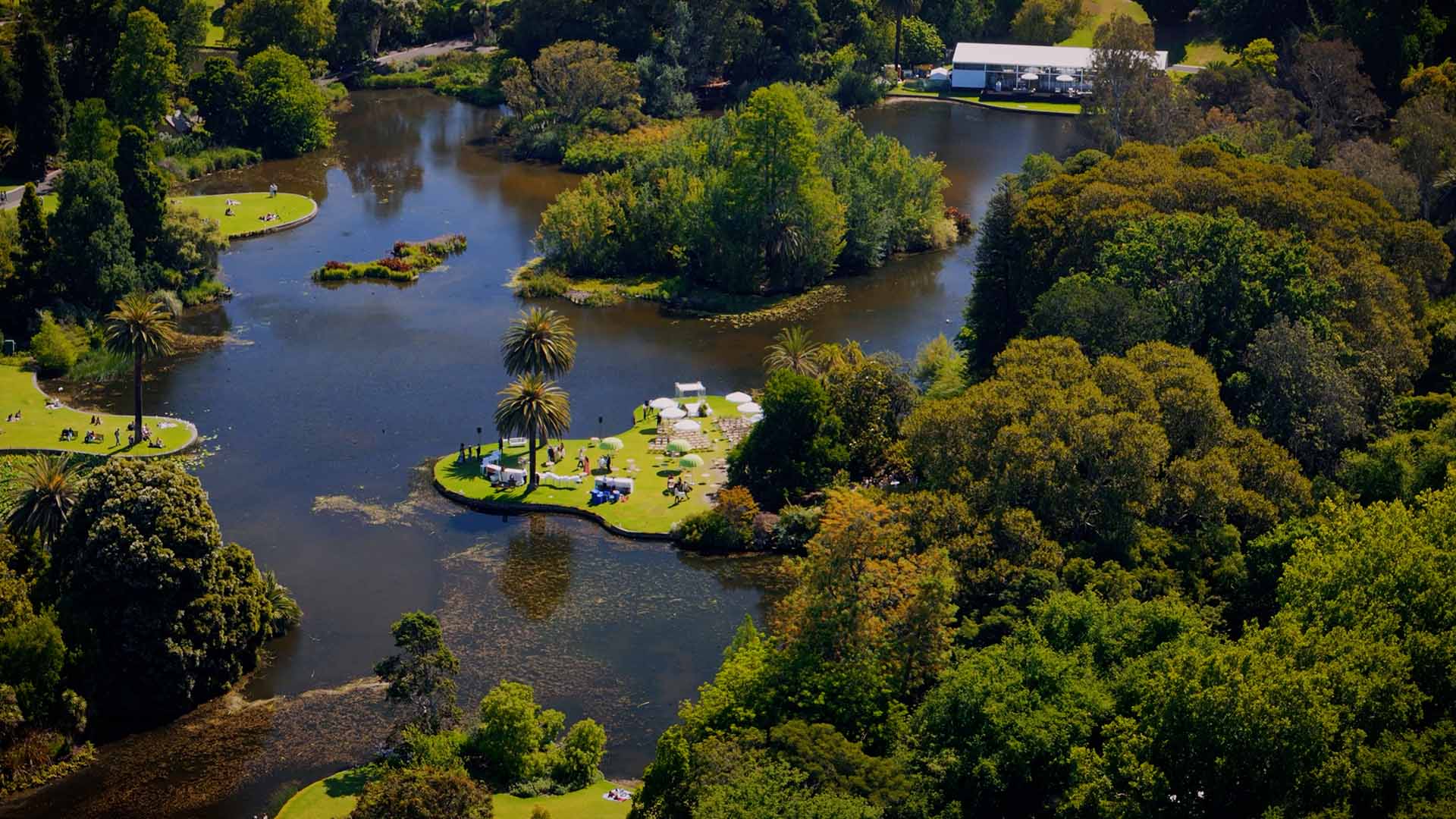
Summer (December to February)
Summer gives you light until 9pm in December, which changes what’s possible if you care about evening photography or golden hour. Heat isn’t brutal until mid-January. Outdoors works beautifully if you’re not doing a midday ceremony.
Here’s what no one tells you: summer is when your guests are already busy. School holidays mean families are committed to other plans. December is obviously booked out. Late January feels quieter because people have holiday fatigue and are financially spent from Christmas. Some of your best friends might not be available because they’ve already committed to other things.
Costs are the real story. Peak season pricing is highest in summer. Accommodations are booked out for months. Venues know demand is high. If you have the budget, summer gives you choice and flexibility. If you’re watching costs, you’re paying substantially for the privilege of good light and warm weather.
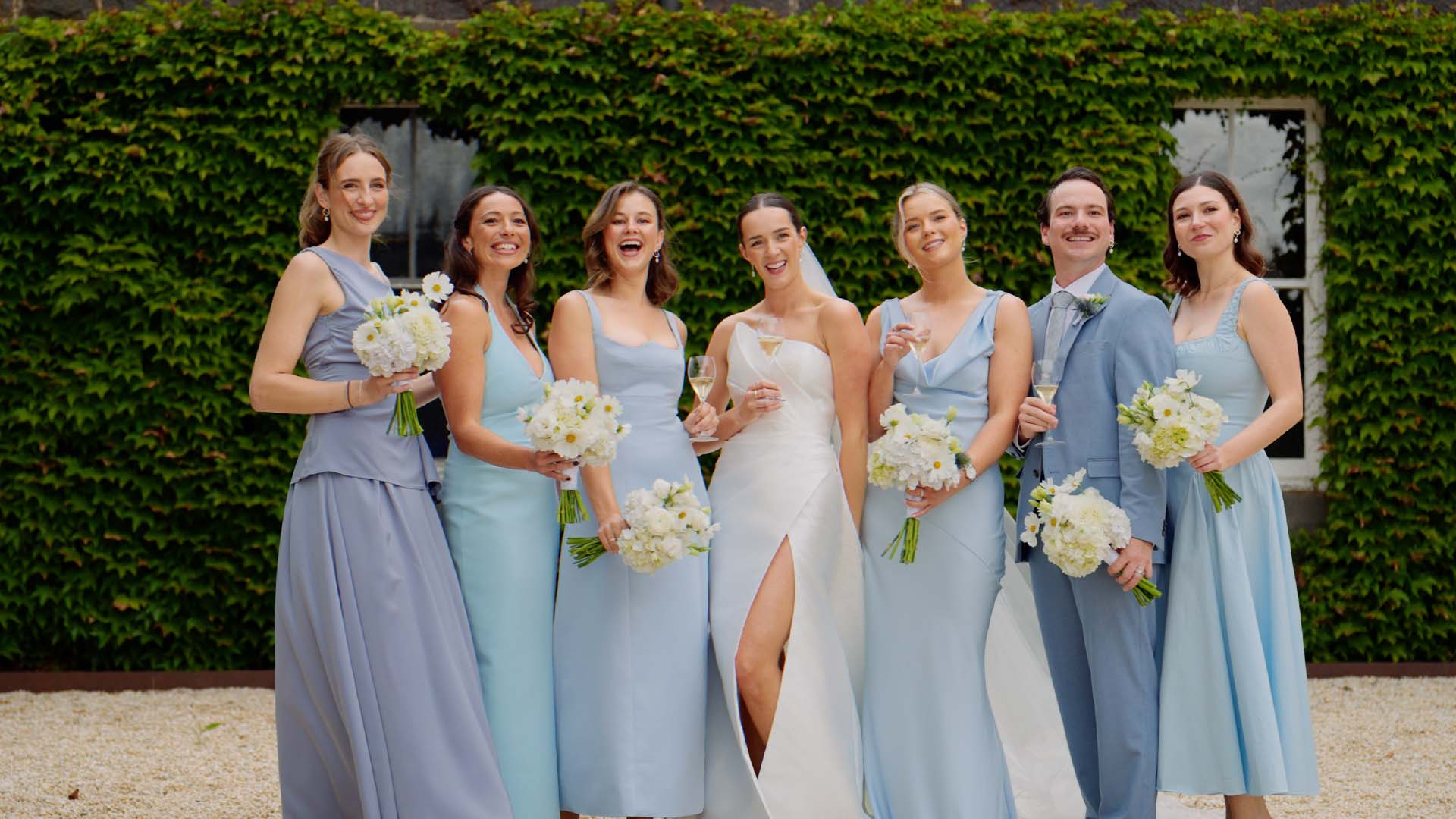
Autumn (March to May)
Autumn is when wedding planning actually gets reasonable. Vendors aren’t fully booked. They have time to think about your day instead of hustling between three other events. Prices soften. You can actually negotiate. Your first choice is more likely to be available.
Weather is the most predictable. Temperatures are comfortable. No heat stress, no unexpected cold snaps. Light starts getting warmer and more golden as you move toward May, which changes the feel of what you’re capturing.
The subtle trade-off: as you move into May, daylight starts dropping. A 4pm ceremony in March feels different than a 4pm ceremony in May. If outdoor photography timing matters to you, that shift is real. It’s not a deal-breaker, but it’s worth knowing.
Most of your guests aren’t in travel mode. They’re not already locked into holiday plans. People who live interstate or internationally are more available because it’s not a major school holiday or festive season. Getting people there is easier.
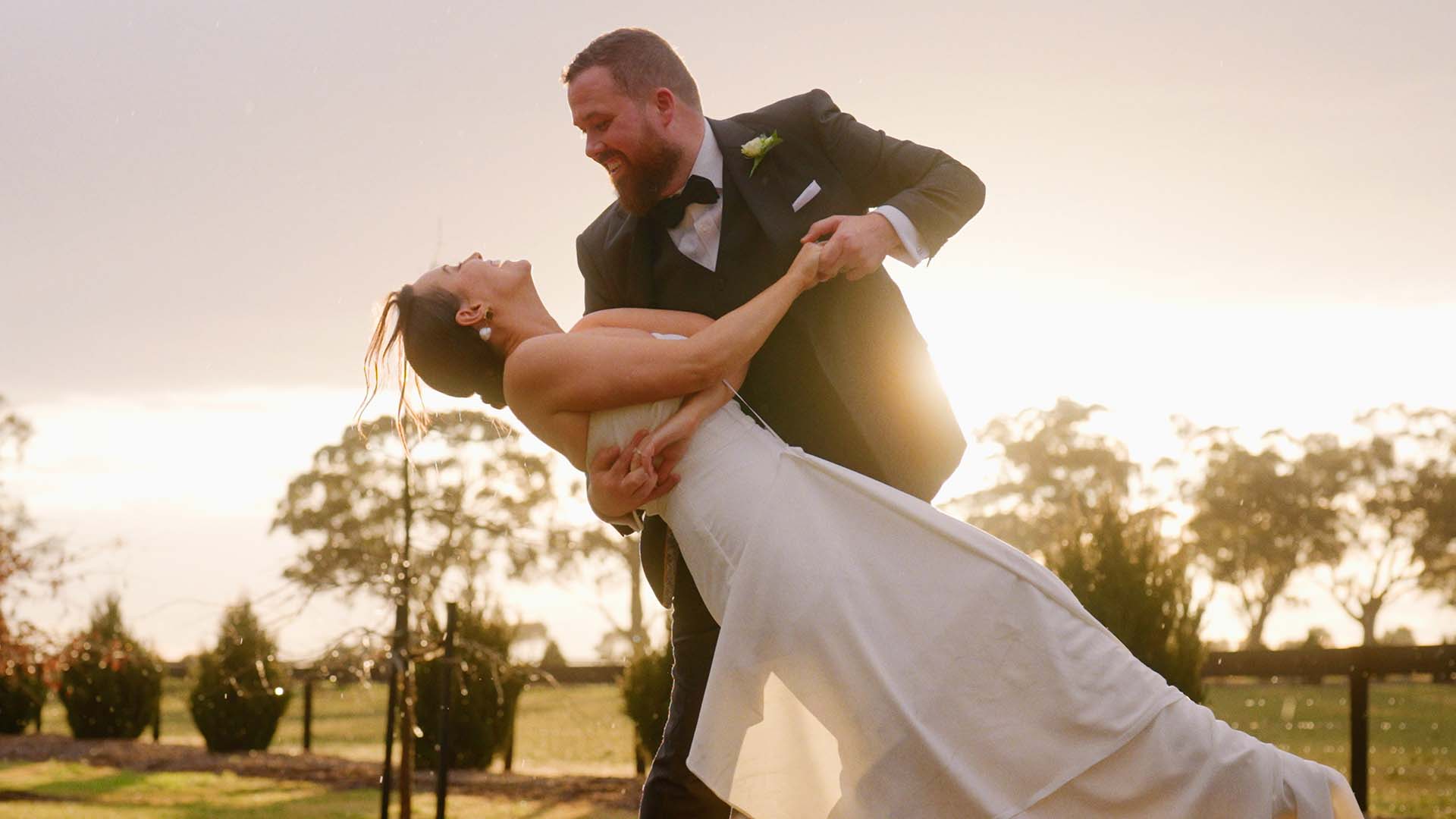
Winter (June to August)
Winter gets dismissed by couples immediately, which is why it’s interesting. Daylight is shortest. Your outdoor ceremony in June doesn’t have the same light as June in other places. A 4pm ceremony happens in near-dusk. You need artificial light or an indoor space.
But winter light, when it exists, is extraordinary. Clear. Direct. No haze or softness. The garden looks formal and structured instead of abundant. If you want visual drama or formality, winter delivers it. The aesthetic is different, not worse.
More importantly: vendors actually have time. Winter is when your photographer isn’t juggling four other weddings that month. Your videographer can think about your day instead of running on fumes. Costs are at their lowest. If you’re smart about it, you negotiate. If your vendors usually feel rushed, winter is the month when they have room to breathe.
Cold is a real thing. Guests in outdoor spaces need consideration. Early evening gets dark fast. But if you’re planning around that, winter offers something distinct from the other seasons.
What actually matters
The real decision isn’t “which month is best.” It’s “which month works for what I actually care about.” If you want garden aesthetics and outdoor light, spring and autumn give you less stress. If you want vendor flexibility and lower costs, winter and late autumn are your months. If you want reliability that your guests can make it, autumn and winter are quieter seasons. If peak light matters more than anything else, spring and early summer give you options. For the practical questions that come up once you start planning in earnest, our FAQs cover most of the basics couples ask about.
One thing worth considering: when you book your videographer matters more than which month you choose. Whatever season feels right, locking in your creative team early means they can actually think about how to use that season instead of scrambling around constraints. Understanding how your videographer approaches the work also changes what each season enables. Some approaches work better with particular light. Some teams are more flexible in certain seasons. Figuring this out early means you’re not discovering in month six that your chosen season limits something you care about. If you’re weighing up who to work with, learning about our team and story is worth doing before you commit to a season, since how a studio actually works with light and time shapes what’s realistically possible.
Ready to think through your timing
If you’re weighing months and want to work through what matters for your vision and your guests, check availability and we can talk through it. Seasonal planning stops being theoretical once you know what actually moves you.
Read next: When to book your wedding videographer and Explore our approach to filmmaking.
Frequently Asked Questions
What's the best month to get married in Melbourne?
There's no single best month. Spring offers good light and gardens in bloom but books out fast. Summer has long daylight and warm weather but peak pricing. Autumn has vendor flexibility and moderate costs. Winter offers availability and lower costs but shorter daylight.
When should I book my wedding date in Melbourne?
If spring or summer is important to you, book 12-18 months ahead. Autumn and winter have more flexibility but vendors still book out. The earlier you lock in your date and vendors, the more options you have regardless of season.
What's the weather like for a wedding in Melbourne across different seasons?
Spring and autumn are most predictable for weather. Summer is warm but can book out early. Winter is coldest but offers the clearest light. All seasons have trade-offs worth considering.
Does wedding cost vary by season in Melbourne?
Yes. Spring and summer are peak season with highest pricing. Autumn is moderate. Winter is lowest cost. If budget is flexible, you have more vendor choice in peak season. If budget is tight, autumn and winter offer better pricing and negotiating power.