How Many Hours of Coverage Do You Actually Need?

It is one of the first questions couples ask when booking a videographer, and one of the hardest to answer from a list of packages. Six hours or ten. Half day or full day. The numbers mean very little until you map them against your actual day, and most couples are asked to choose before anyone has helped them do that.
So here is how to think about it properly. Not from the package, but from the day.
Coverage is measured from a start point, not the whole day
The first thing to understand is what an hour of coverage actually is. It is not the length of your wedding. It is the window your videographer is present and filming, from an agreed start time to an agreed finish.
That distinction matters because your wedding, from the first hair pin to the last song, might run twelve or fourteen hours. Almost no one films all of it, and almost no one needs to. The question is not how long your day is. It is which parts of it you want on film, and where the story sensibly starts and stops.
Start by mapping the moments that matter
Before you look at any number, sketch the shape of your day and mark the moments you would be sad to lose.
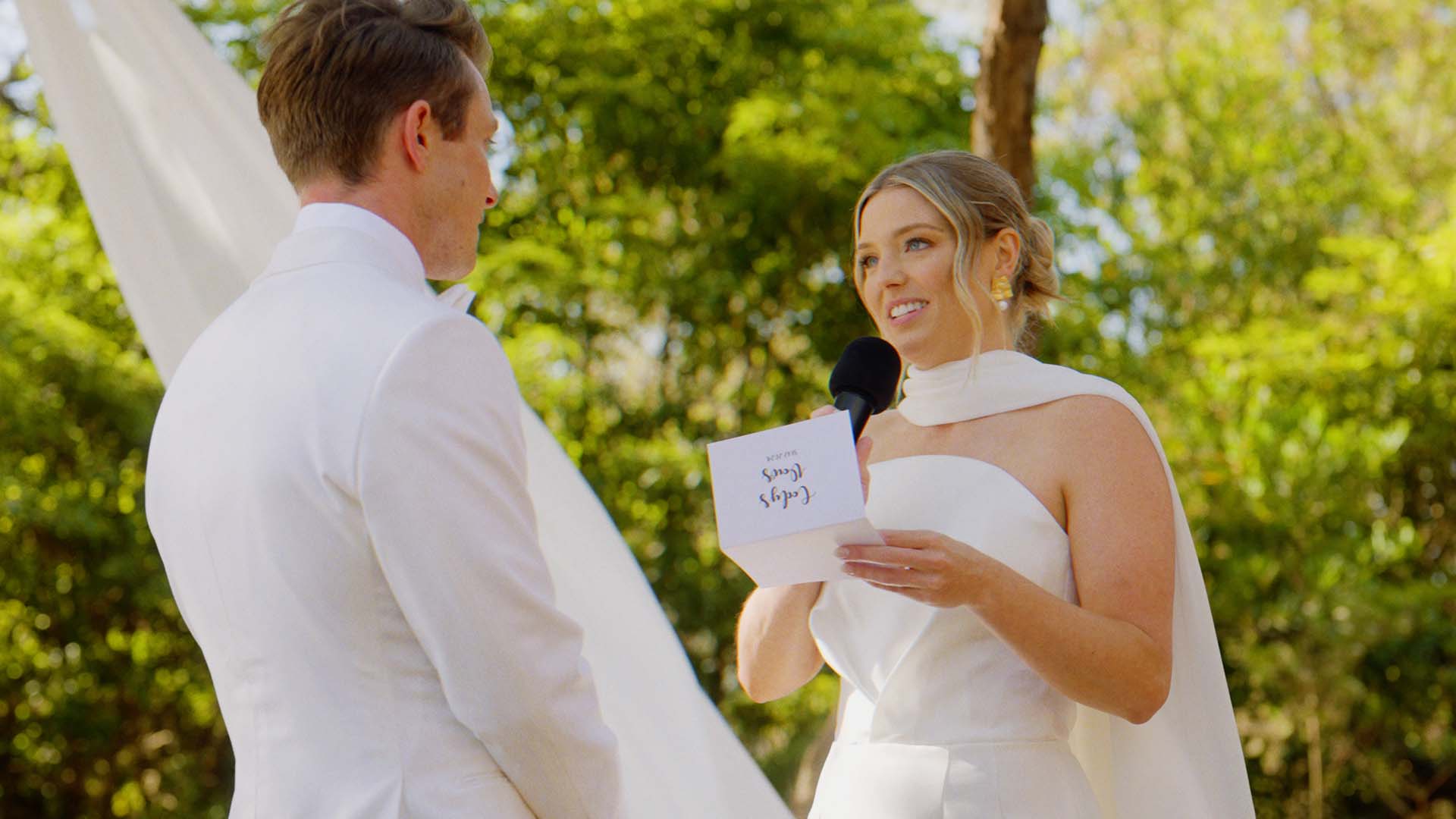
For most couples the non-negotiables are the ceremony, the vows, and the speeches. These are the emotional core of a wedding film and they are also the parts that only happen once. After that, it becomes a series of choices. Do you want the getting-ready hours, the quiet, nervous, human part of the morning. Do you want the first dance and the party, or does the film feel complete once the formalities are done. There is no wrong answer, but the answer decides your hours.
Once you know which moments you want held, the coverage window almost sets itself.
What the common coverage lengths tend to include
It helps to know roughly what different windows capture, so the numbers stop being abstract.
A shorter window, often around six hours, typically starts in the late morning or early afternoon and runs through the ceremony and into the first part of the reception. It covers the emotional heart of the day, the vows and the speeches, without the early morning or the late night. For couples whose priority is the film of the ceremony and the formalities, this is often enough.
A full day, often around ten hours or more, opens earlier, in the getting-ready hours, and stays through to the dance floor. It captures the day as a complete arc, from the quiet anticipation of the morning to the release of the party. Couples who want the whole story, beginning to end, tend to land here.
The right length is simply the one that holds every moment on your non-negotiable list, with a little breathing room on either side.
A few things couples underestimate
Two things routinely catch couples out when they choose purely on price.
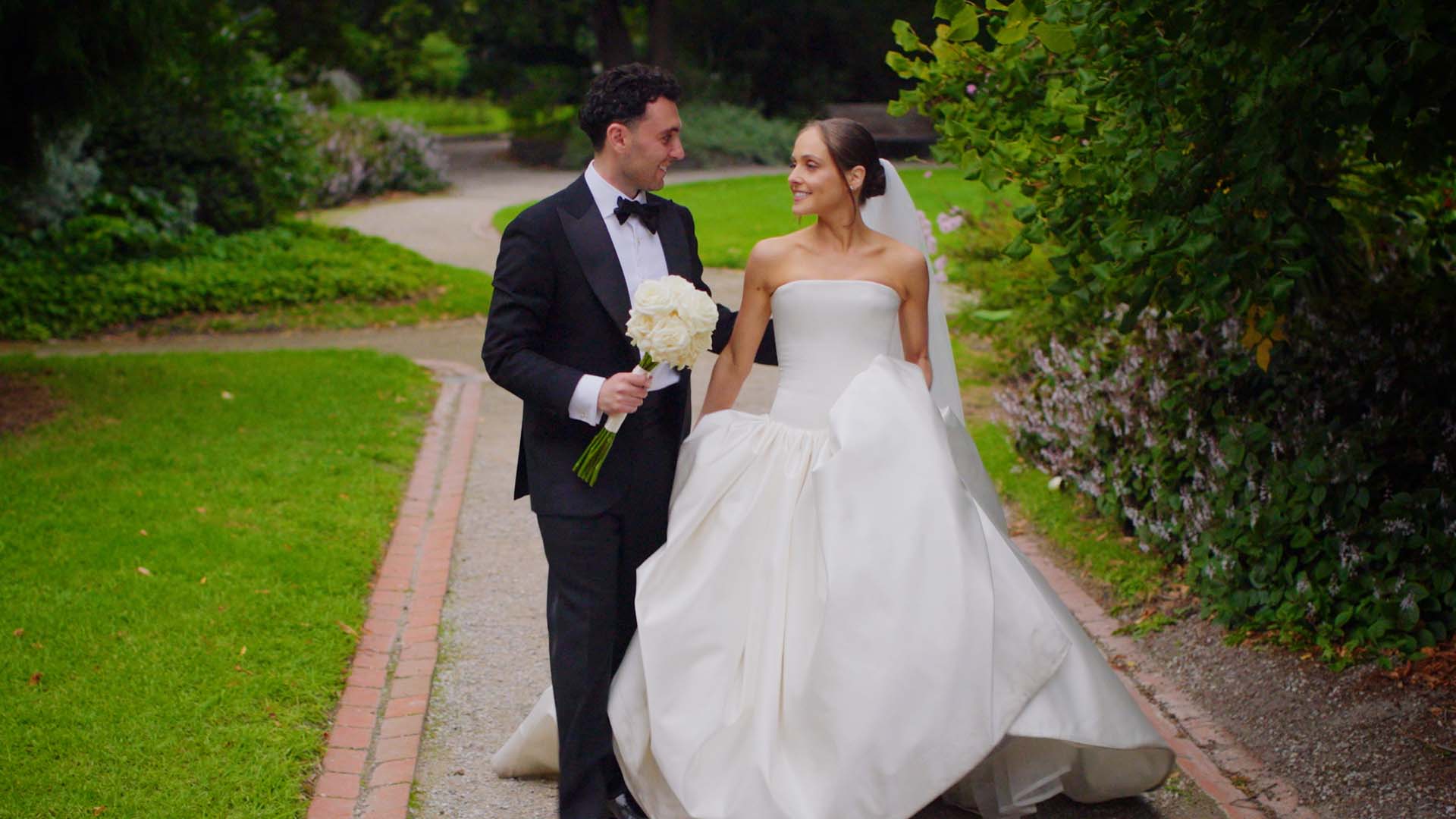
The first is the morning. Getting ready feels like dead time when you are planning, but on film it is often the most tender part of the day, the part before the nerves lift, the small moments with the people closest to you. Couples who cut it to save hours sometimes wish they had not, and it cannot be added back later.
The second is the buffer. Weddings run late. A ceremony that starts twenty minutes behind, a set of speeches that runs long, a sunset worth chasing, all of it eats into a coverage window with a hard finish time. A little more coverage than the bare minimum is insurance against the day itself, which rarely runs to schedule.
How we handle it
Rather than push couples toward a fixed number, we work backward from the day. Once we know your run sheet, the shape of your ceremony, and the moments that matter most to you, the right coverage window tends to be obvious. Some couples need the whole day held. Others are complete once the formalities are done. The hours follow the film you want, not the other way around.
If you are trying to work out where your day lands, our wedding film options show what different coverage looks like in practice, and you are welcome to get in touch to talk it through for your date.
Frequently Asked Questions
How many hours of wedding videography coverage do I need?
It depends on which moments you want on film rather than on a fixed rule. Most couples treat the ceremony, vows, and speeches as non-negotiable, then decide whether to add the getting-ready hours in the morning and the party in the evening. Once you know which moments you want held, the right coverage window tends to set itself.
What is the difference between half day and full day wedding coverage?
A shorter window, often around six hours, usually covers the ceremony and the first part of the reception, capturing the vows and speeches without the early morning or late night. A full day, often around ten hours or more, opens in the getting-ready hours and stays through to the dance floor, capturing the day as a complete arc.
Should I include getting ready in my coverage?
It is worth considering. The getting-ready hours feel like quiet time when you are planning, but on film they are often among the most tender parts of the day, and they cannot be added back after the wedding. Couples who cut them to save hours sometimes wish they had kept them.
What happens if my wedding runs late and goes over the coverage window?
Weddings rarely run exactly to schedule, so it is wise to build in a little buffer rather than booking the bare minimum. A ceremony starting late or speeches running long can eat into a window with a hard finish time, so a small margin protects the moments you most want captured.